β-Pph ข้อต่อท่อซ็อคเก็ตร้อนละลาย 45 องศา 1.0 Mpa
1. ใช้ต่อท่อที่โค้งงอและเปลี่ยนทิศทางการไหลซึ่งช่วยป้องกันการอุดตันอีกด้วย ...

ข้อต่อท่อพลาสติกโดยทั่วไปประกอบด้วยผลิตภัณฑ์ต่างๆ เช่น ที ข้อศอก ข้อต่อ หน้าแปลน ฝาครอบ กากบาท และข้อต่อ เนื่องจากเป็นส่วนประกอบที่สำคัญในการเชื่อมต่อท่อ การเลือกอุปกรณ์เฉพาะจึงขึ้นอยู่กับสถานการณ์การใช้งาน
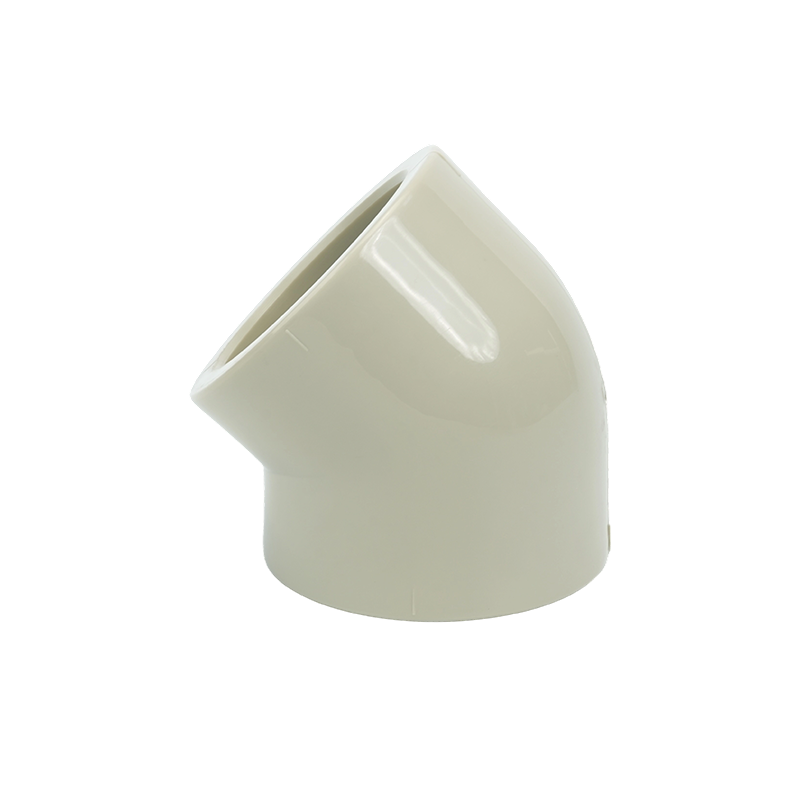
1. ใช้ต่อท่อที่โค้งงอและเปลี่ยนทิศทางการไหลซึ่งช่วยป้องกันการอุดตันอีกด้วย ...
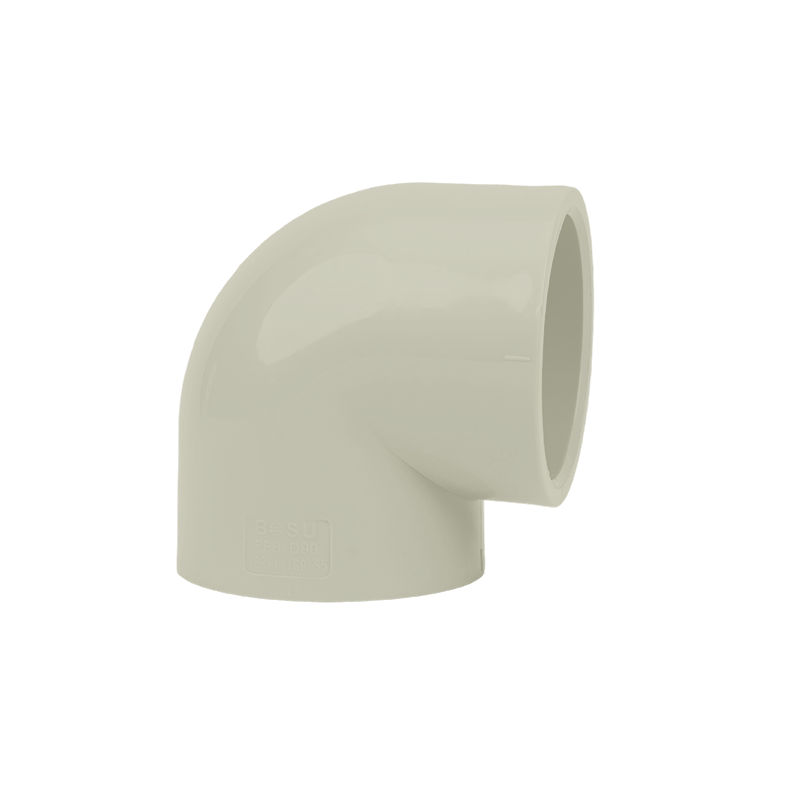
1. สำหรับต่อตรงส่วนโค้งของท่อ เปลี่ยนทิศทางของท่อ เหมาะสำหรับงานท่อสาขา 2....
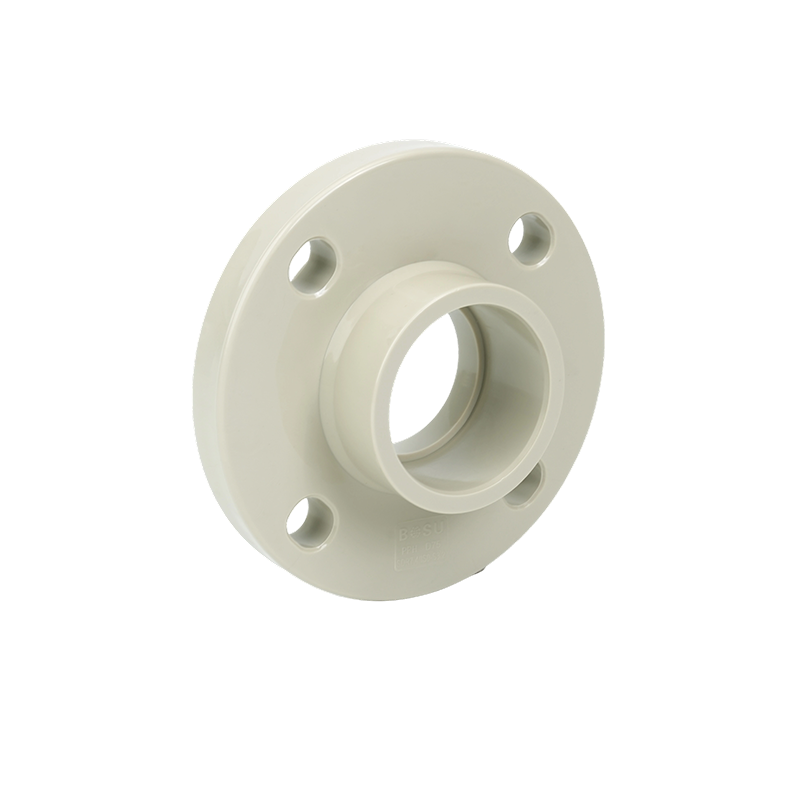
คุณสมบัติผลิตภัณฑ์: ติดตั้งง่าย ใช้ข้อต่อคู่ที่ปลายท่อ การออกแบบน...
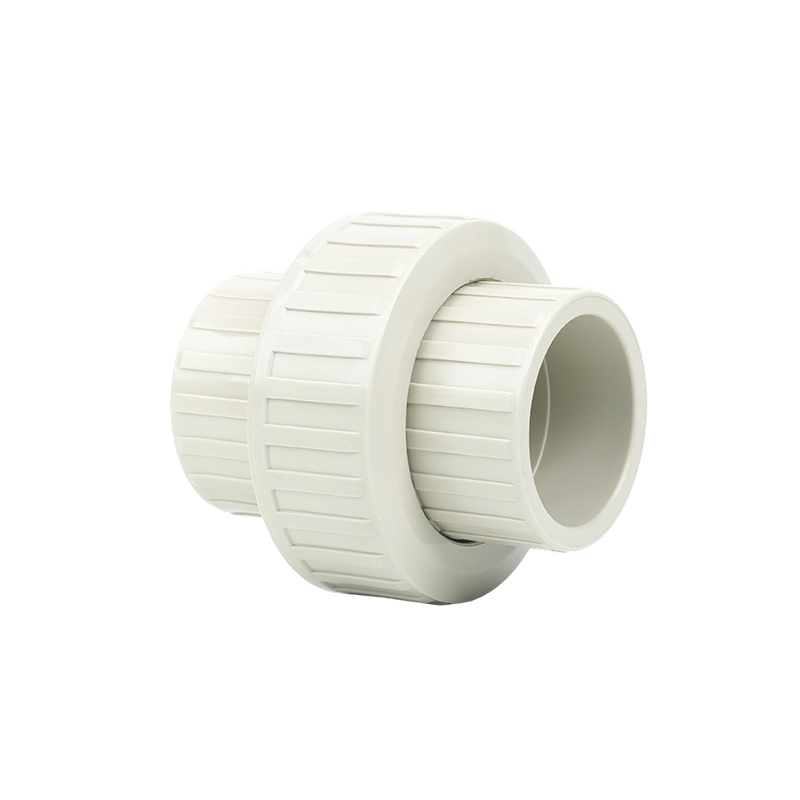
ข้อต่อนี้ออกแบบมาเพื่อเชื่อมต่อท่อเข้ากับระบบท่อ เหมาะสำหรับแรงดันใช้งานสูงสุ...
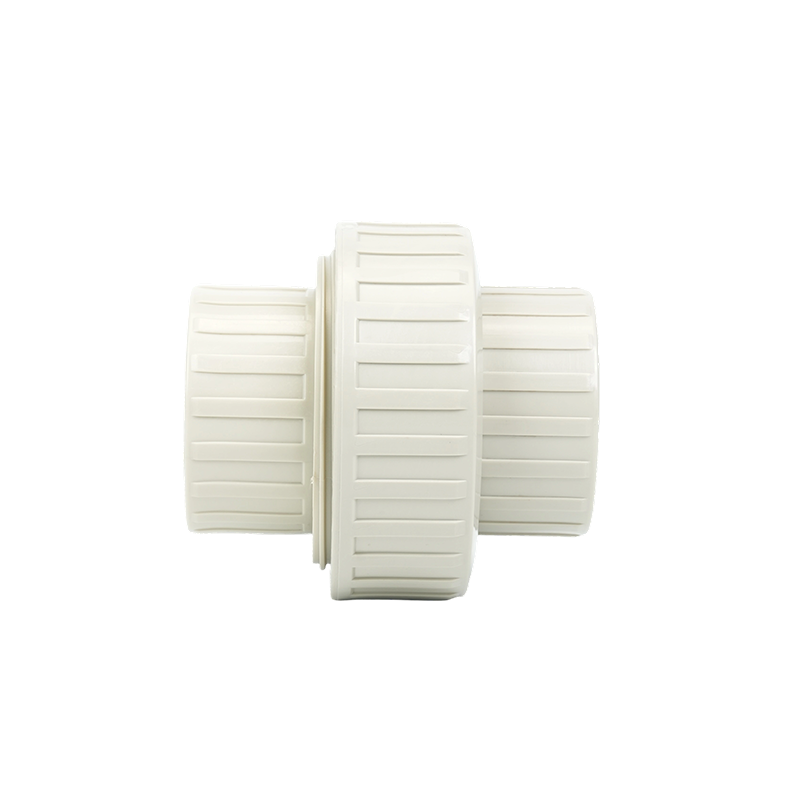
คำอธิบาย: ออกแบบมาเพื่อเชื่อมต่อกับท่อที่มีปลายเกลียว วงแหวนซีล EPDM/FPM มีคว...
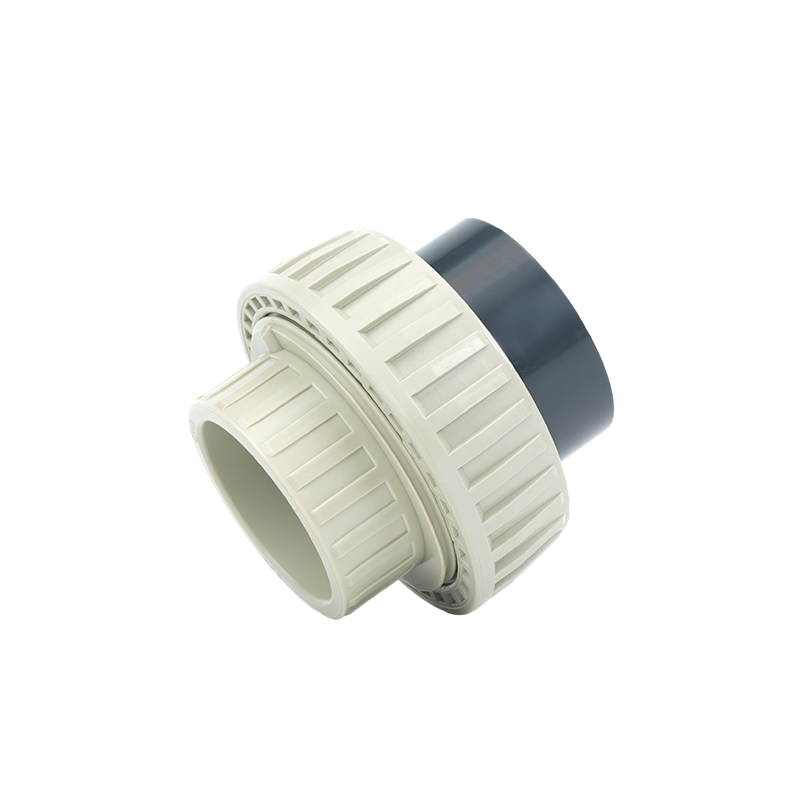
คำอธิบาย: ข้อต่อยูเนี่ยนเทอร์โมพลาสติกนี้เชื่อมต่อท่อเข้ากับระบบท่อที่สมบูรณ์...
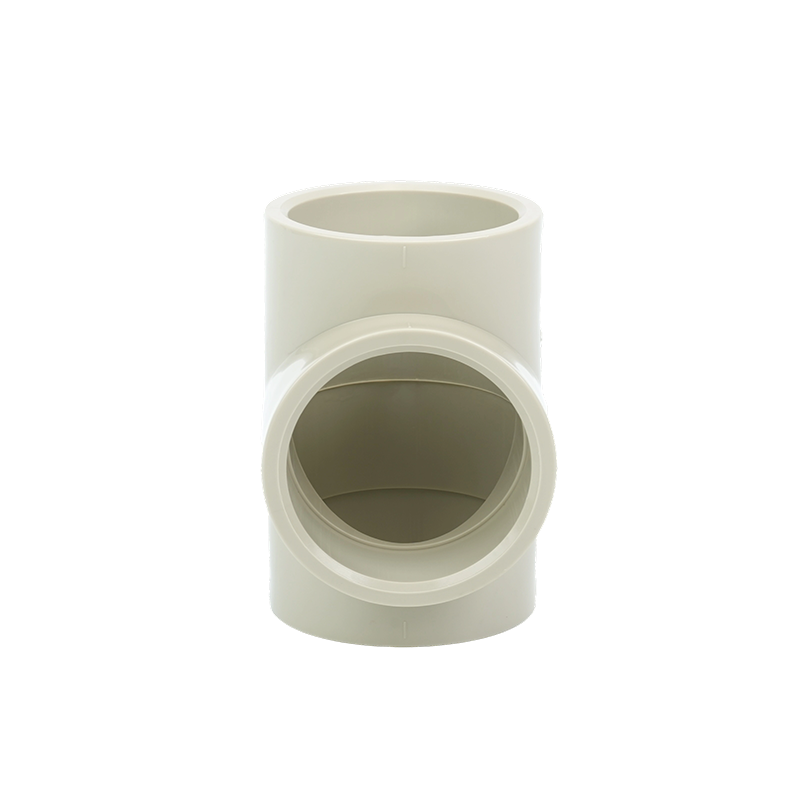
1. เป็นของหนึ่งในการเชื่อมต่อท่อ ใช้ในท่อสาขาของท่อหลัก และเหมาะสำหรับสถานการ...
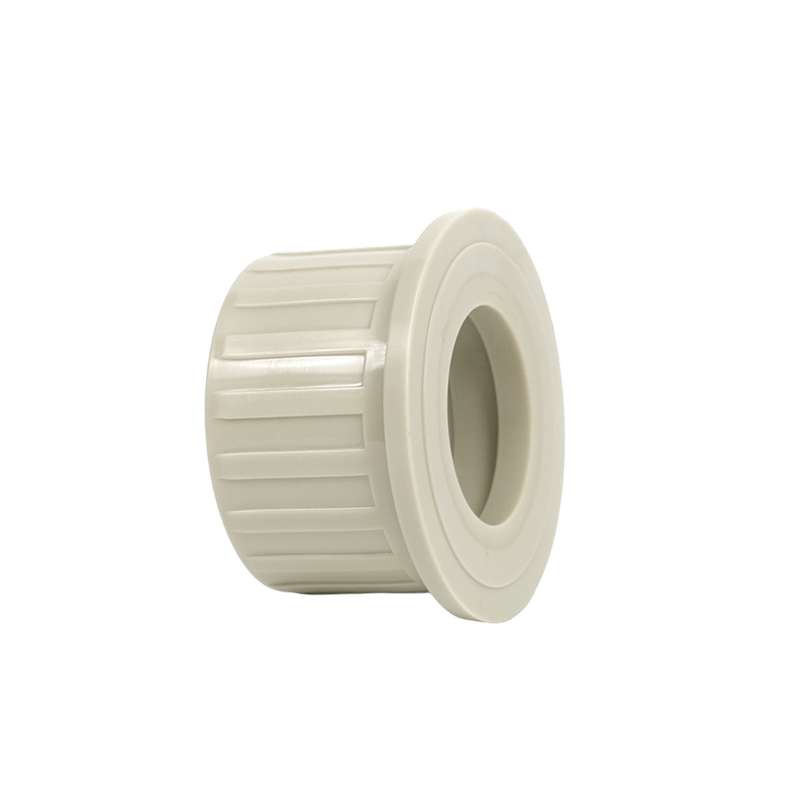
1. ทนทาน ป้องกันการกัดกร่อน น้ำหนักเบา ทำหน้าที่เป็นท่อปิด ติดตั้งและบำรุงรัก...
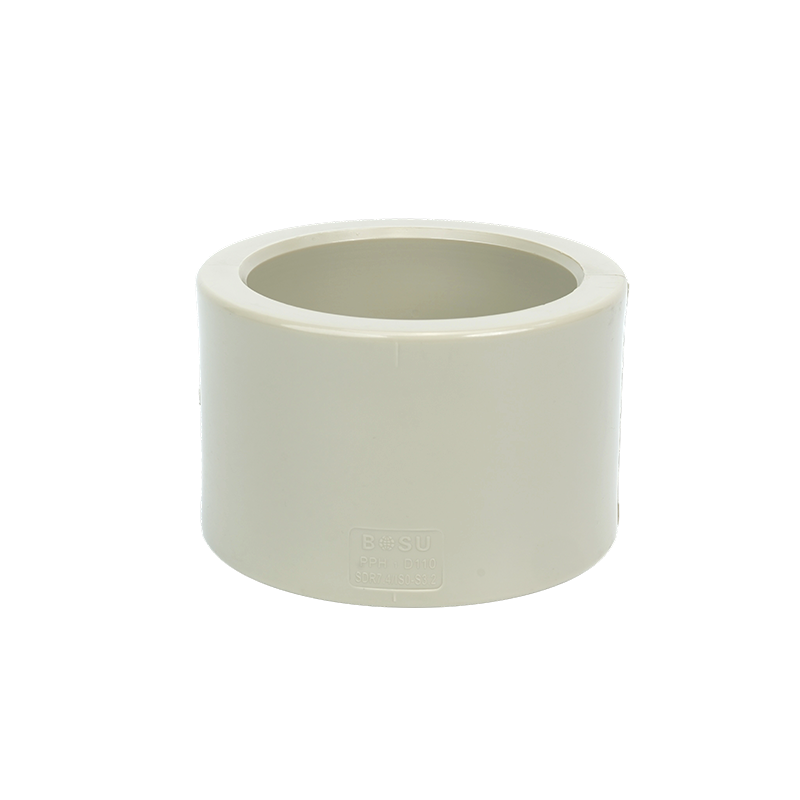
ใช้ในระบบท่อที่ต้องการการเชื่อมต่อปลายธรรมดา ข้อมูลจำเพาะ: DN15(D20), DN20...
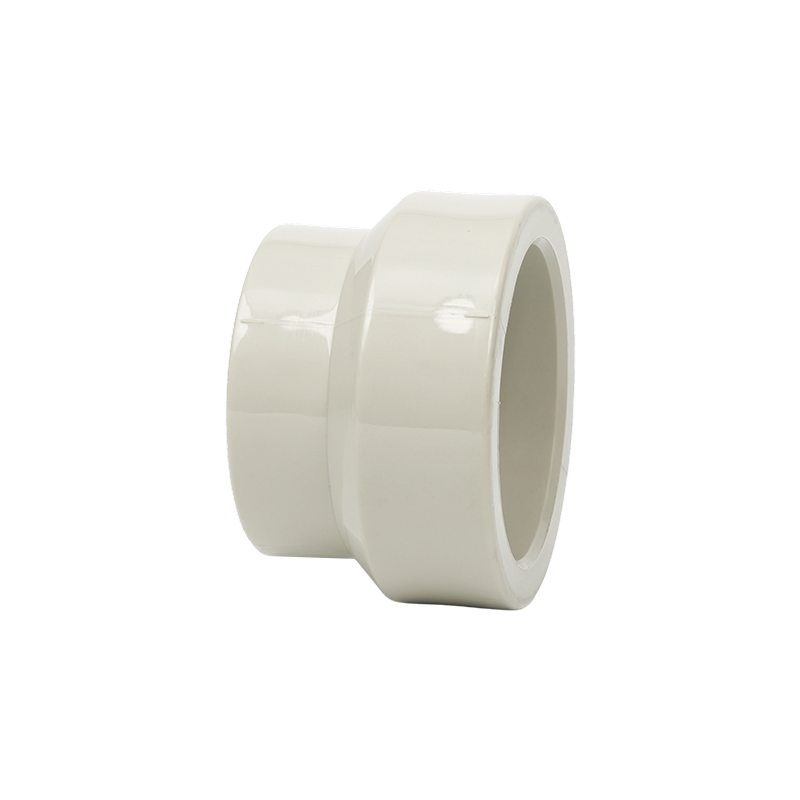
ข้อต่อนี้ได้รับการออกแบบมาเพื่อลดปัญหาการไหลระหว่างการเปลี่ยนเส้นผ่านศูนย์...
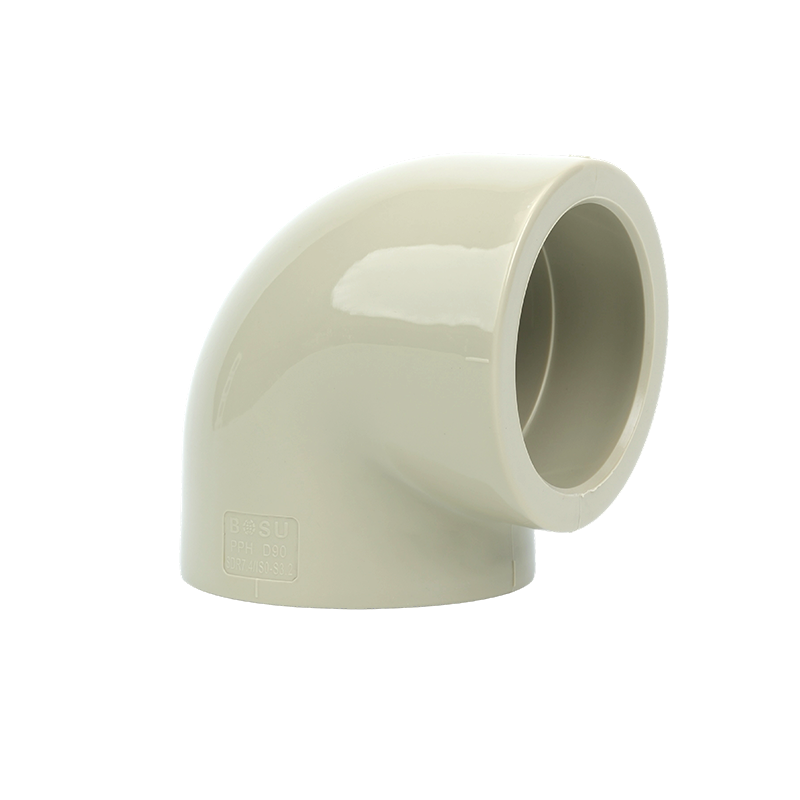
1. ข้อต่อนี้ได้รับการออกแบบสำหรับการเปลี่ยนแปลงทิศทางในท่อ 90 องศา และเหมาะสำ...
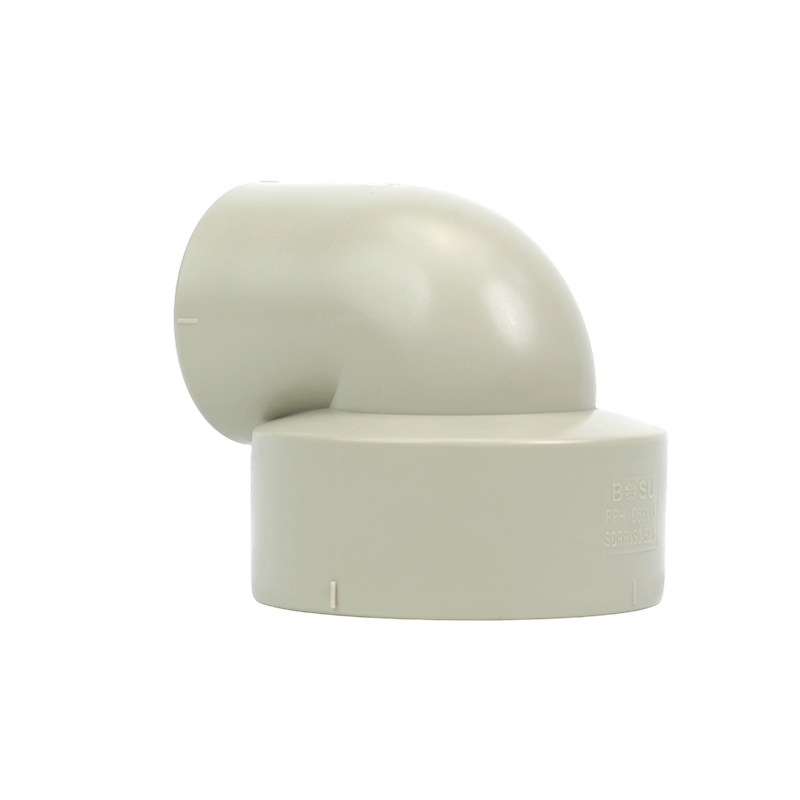
1. ข้อต่อฟิตติ้งนี้ใช้เชื่อมต่อท่อสองท่อที่มีเส้นผ่านศูนย์กลางต่างกัน โดยเปลี...

ทีมงานปิดระบบที่โรงงานเคมีมีงานเหลืออยู่หนึ่งงานก่อนรีสตาร์ท: เปลี่ยนปะเก็นที่รั่วบนวาล์วสูง 12 เมตรภายในท่อ PPH ที่เชื่อมเต็ม การตัดท่อหมายถึงแกนม้วนใหม่ การเชื่อมใหม่ การรอความเย็น และการทดสอบแรงดันครั้งที่สอง เพิ่มอีกสี่ชั่วโมงตามกำหนดเวลาโดยไม่มีค่าใช้จ่ายใดๆ การเชื่อมต่อท่อพลาสติกหนึ่งท่อที่ทางเข้าวาล์วจะเปล...
ดูเพิ่มเติมการซื้อบอลวาล์วพลาสติกโดยถามว่า "ขายมั้ย?" คือการที่โปรเจ็กต์ต้องจ่ายเงินสองเท่า สิ่งที่ตัดสินว่าบอลวาล์วพลาสติกทำงานเงียบๆ เป็นเวลาห้าปีหรือล้มเหลวในช่วงแรกนั้น ขึ้นอยู่กับวัสดุของตัวเครื่อง ซีลอีลาสโตเมอร์ และวิธีที่ตัววาล์วเชื่อมต่อกับท่อ ไม่ใช่ราคาต่อหน่วยในใบเสนอราคา คำตอบสั้น ๆ : จับคู่วัสดุก...
ดูเพิ่มเติมช่างประกอบสองคน หนึ่งคอยล์ 2 ตัวในท่อ PVDF และลังใส่อะแดปเตอร์หน้าแปลน DN 50 ทุกอย่างมาถึงตามกำหนดเวลาและไม่มีอะไรพอดี: ท่อมีขนาดเส้นผ่านศูนย์กลางภายนอก 60.3 มม. ในขณะที่อะแดปเตอร์ถูกตัดเฉือนให้มีเส้นผ่านศูนย์กลางภายนอก 50 มม. ไม่มีป้ายกำกับใดผิด ชิ้นส่วนต่างๆ เป็นของระบบขนาดที่แตกต่างกันสองระบบ และ IPS เป็นระบบท...
ดูเพิ่มเติม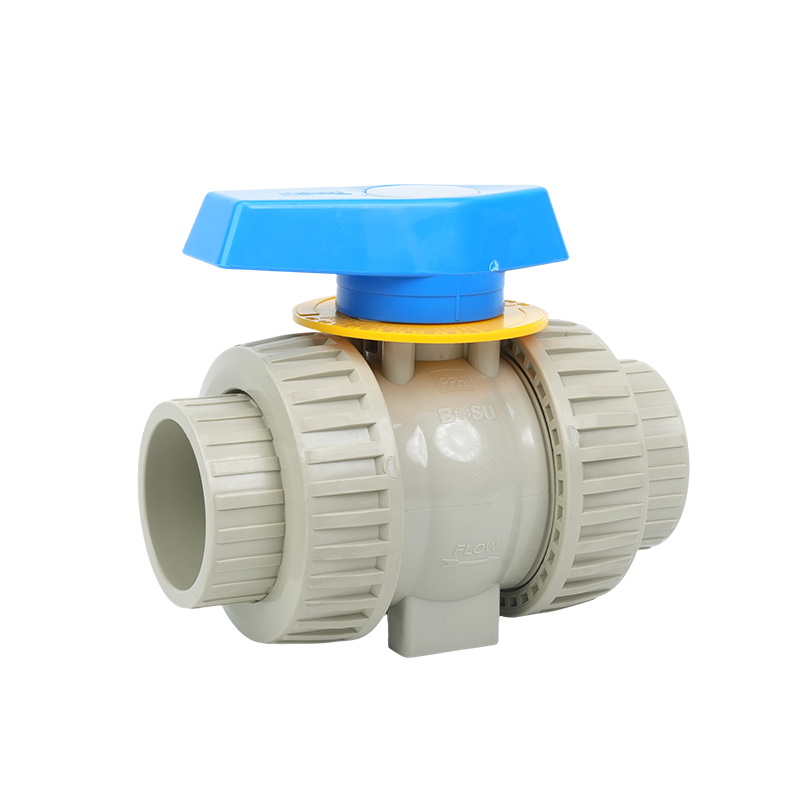
1. คุณสมบัติผลิตภัณฑ์: ฟังก์ชั่นบ่งชี้ด้ามจับส่วนบุคคล ติดตั้ง LOGO สื่อ ฯลฯ ...
ดูเพิ่มเติม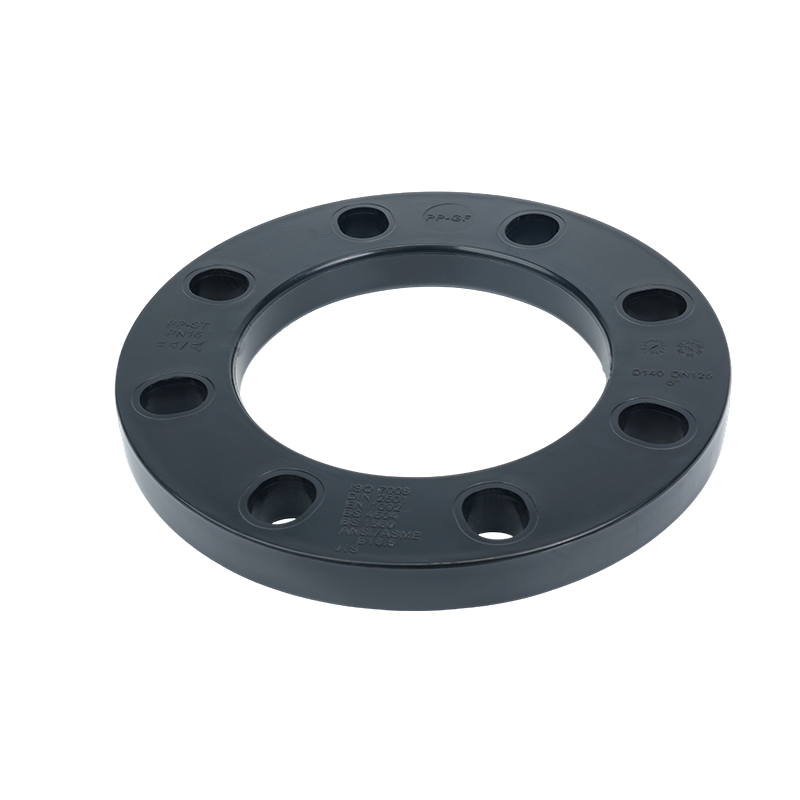
1.ทนต่อการเสียรูป ทำให้เหมาะสำหรับท่อที่มีความผันผวนของความดันหรืออุณหภูมิ...
ดูเพิ่มเติม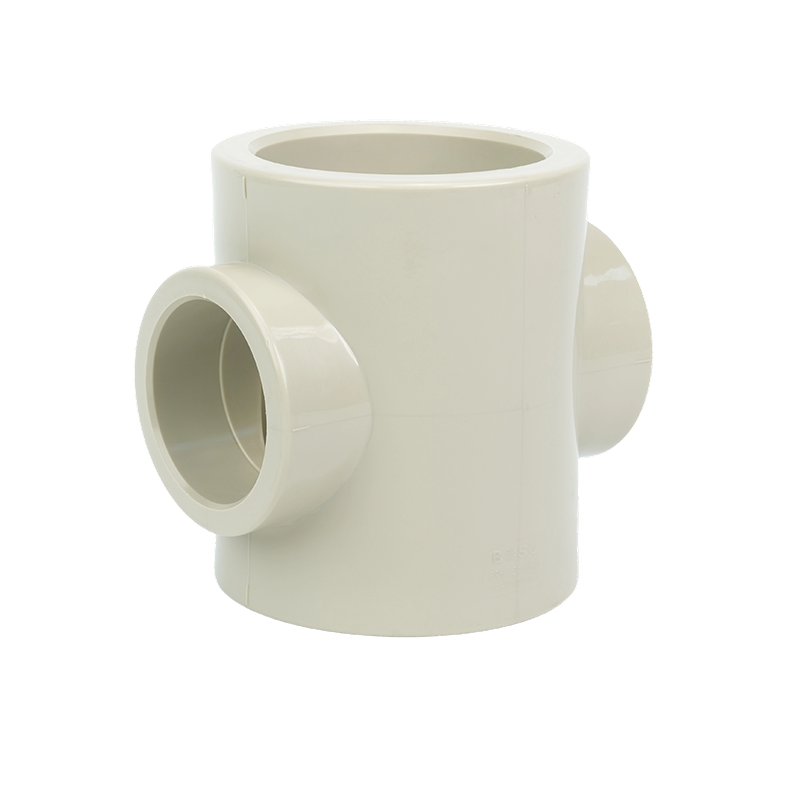
1. ใช้เพื่อเชื่อมต่อท่อสี่ท่อที่มีเส้นผ่านศูนย์กลางต่างกันซึ่งตัดกันในแนวต...
ดูเพิ่มเติม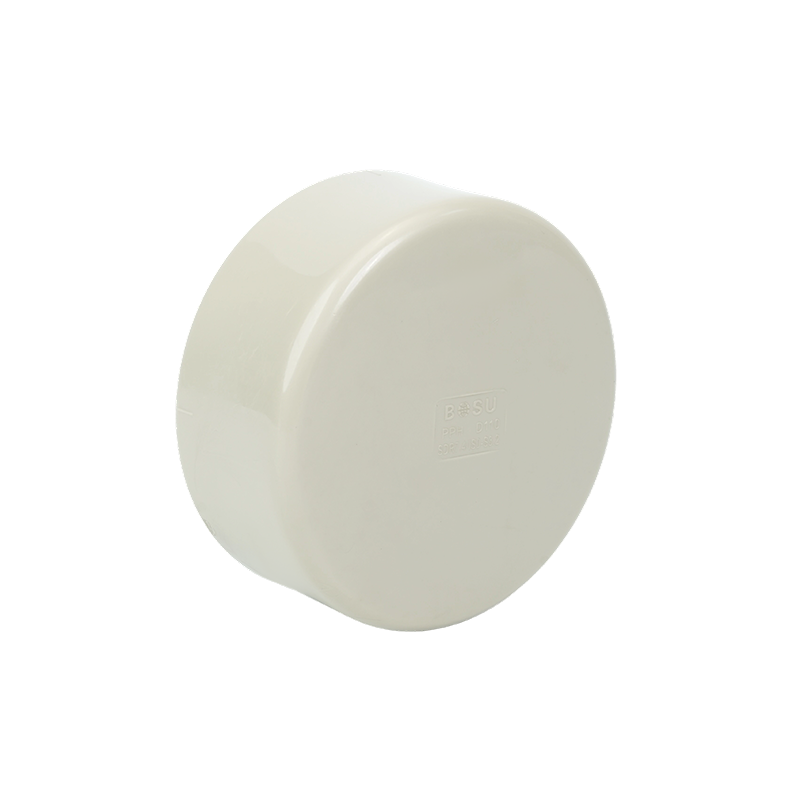
1. ทนทาน ทนต่อการกัดกร่อน น้ำหนักเบา ใช้ซีลท่อ เหมาะสำหรับการใช้งานที่ไม่จำเป...
ดูเพิ่มเติม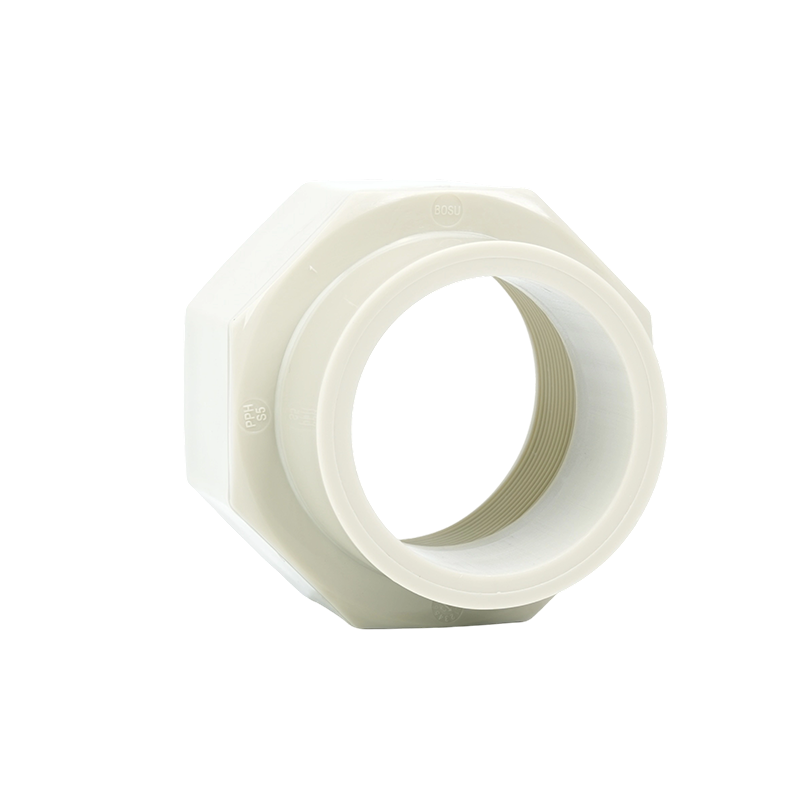
1. ผลิตภัณฑ์นี้มีการติดตั้งที่รวดเร็ว ปลอดภัย และมีประสิทธิภาพ ผนังภายในและภา...
ดูเพิ่มเติม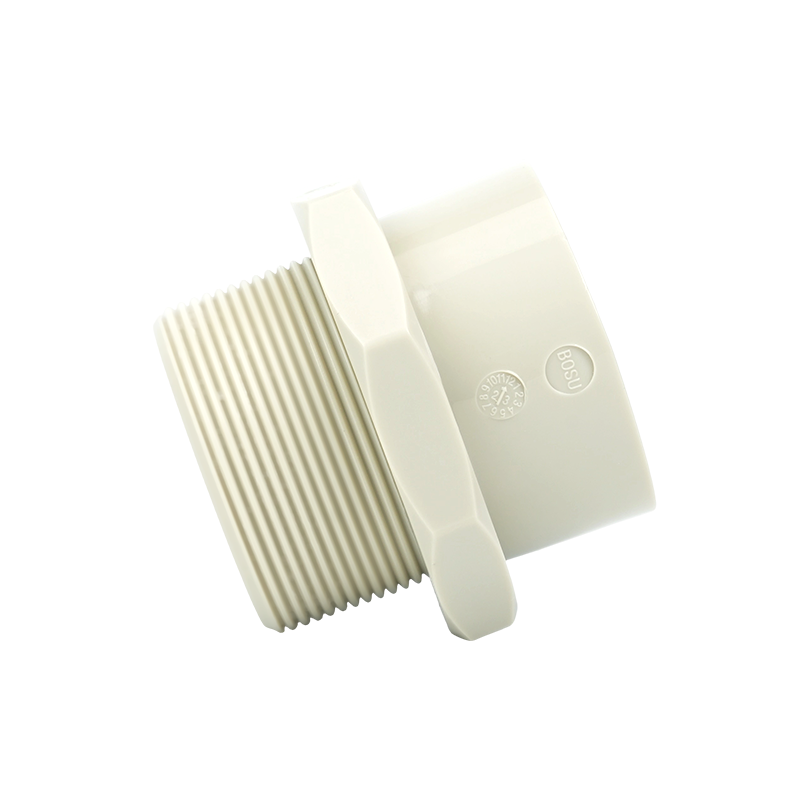
1. การเชื่อมต่อที่รวดเร็ว ทนต่อแรงดันสูง การปิดผนึกที่ดี งานที่ปลอดภัยและเชื่...
ดูเพิ่มเติมWhat is Plastic Pipe Fitting?
Plastic pipe fittings are standardized components used to connect, redirect, seal, or distribute fluids in pipelines.
1. Common Shapes: T-joints, elbows, tees, flanges, caps, crosses, connectors, etc., to meet the needs of different pipeline layouts.
2. Material Advantages: Made of high-polymer materials (such as PE, PP, PVC, PVDF, etc.), they are lightweight, corrosion-resistant, wear-resistant, and easy to process.
3. Functional Role: In pipeline systems, they provide stable connections, change flow direction, divert flow, or seal off conduits, ensuring the safety and efficiency of media transportation.
4. Industry Value: They are fundamental components in building water supply and drainage, gas transmission, industrial pipelines, and power systems; almost all pipeline projects rely on plastic pipe fittings.
What are the common application scenarios of plastic pipe fittings in building water supply and drainage, gas transmission, and power pipelines?
1. Building Water Supply and Drainage Systems
Hot and Cold Water Piping: Tees, elbows, flanges, etc., made of PE, PP, or PPR materials are used for the distribution and redirection of hot and cold water.
Sewage and Rainwater Systems: PVC or HDPE pipe fittings are used for sewage and rainwater collection, resistant to acids and alkalis, and high temperatures, preventing leaks.
Sanitary Fixture Connections: Quick-connect couplings and flange caps simplify the installation and maintenance of toilets, washbasins, and other equipment.
2. Gas Transmission Systems
Urban Gas Piping Networks: Pressure-resistant and flame-retardant PE-RT or PA-12 pipe fittings (such as elbows and tees) are used to ensure the safe transmission of high-pressure gas.
Industrial Gas: In production lines requiring high cleanliness, such as those in chemical, semiconductor, and photovoltaic industries, metal-lined plastic pipe fittings are used, combining corrosion resistance and pressure resistance.
Leak Detection: Special flanges and gaskets are used for rapid leak detection and maintenance.
3. Electrical Conduits (Cable Trays, Pipe Laying)
Cable Protection Pipes: Flame-retardant PVC or PE fittings are used to prevent cables from getting damp and mechanically damaged.
Cable Tray Connections: Plastic elbows and tees are used for cable tray turning and branching, ensuring neat and safe cable laying.
Fire Resistance and Flame Retardancy: Flame-retardant plastic fittings conforming to IEC and GB standards maintain structural integrity in high-temperature environments.
How to determine the pressure resistance, temperature resistance, and chemical corrosion resistance of Plastic Pipe Fitting Series?
1. Check the Material Data Sheet
Pressure Resistance: The material's yield strength, ultimate pressure (MPa), and operating temperature range are key factors.
Temperature Resistance: Determine the material's maximum operating temperature (Tmax) and minimum operating temperature (Tmin). For example, PE-RT can be used from -40°C to +95°C, and PVDF can reach +150°C.
Chemical Resistance: The material's resistance to acids, alkalis, salts, and solvents is typically presented through test results according to standards such as ASTM D543 and ISO 175.
2. Actual Testing and Certification
Pressure Testing: Hydrostatic or pneumatic pressure tests are conducted according to standards such as ISO 4427 and GB/T 10002 to ensure that the pipe fittings do not leak at 1.5–2 times the rated pressure.
Thermal Aging Test: Aging is performed at high temperatures for 1000 hours or longer, and changes in dimensions and strength are observed.
Chemical Corrosion Test: The pipe fittings are immersed in the target medium (such as sulfuric acid, hydrofluoric acid, hydrochloric acid, etc.) to assess mass loss and surface changes.
3. Reference Industry Certifications and Patented Technologies
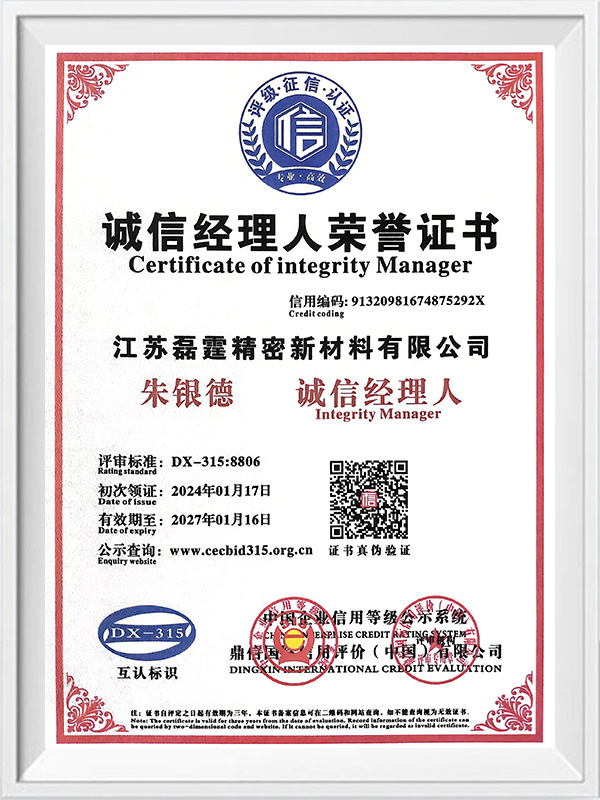
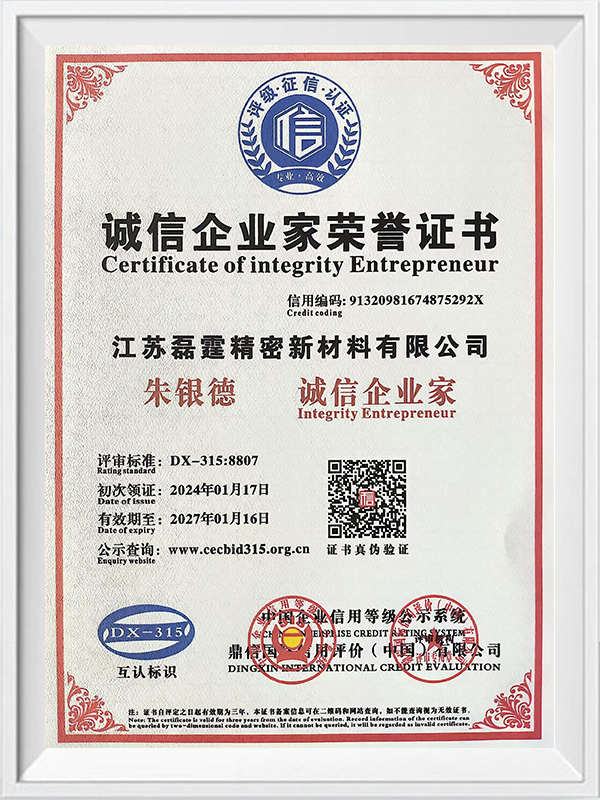
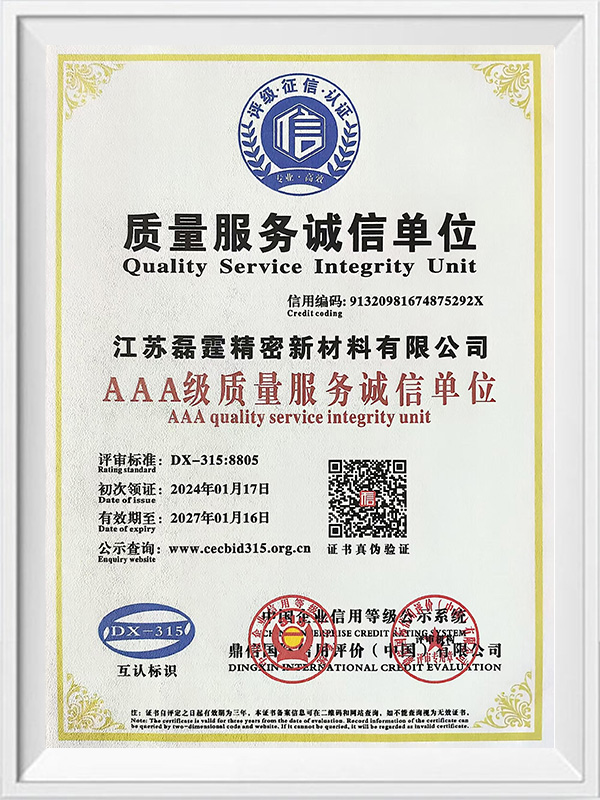
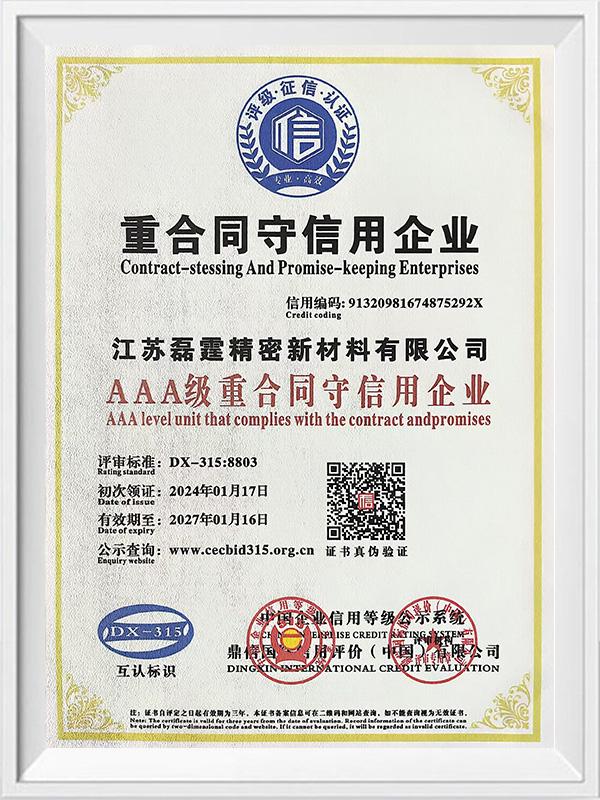
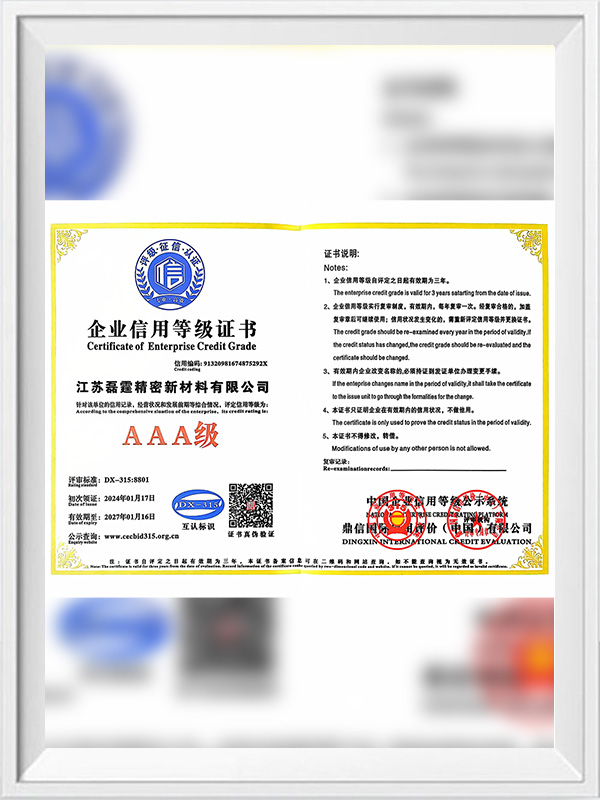
Certification Marks: CE, UL, ISO9001, ISO14001, and other certifications indirectly indicate that the product has passed rigorous quality and environmental control.
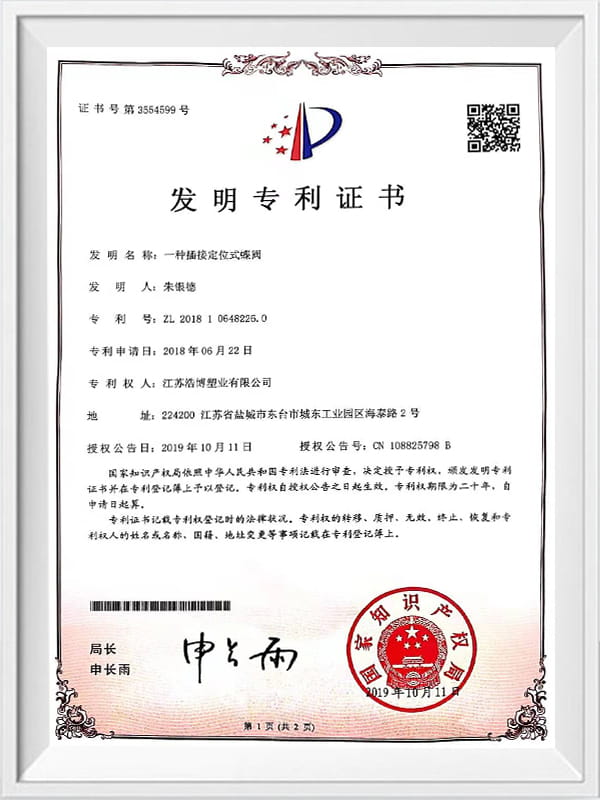
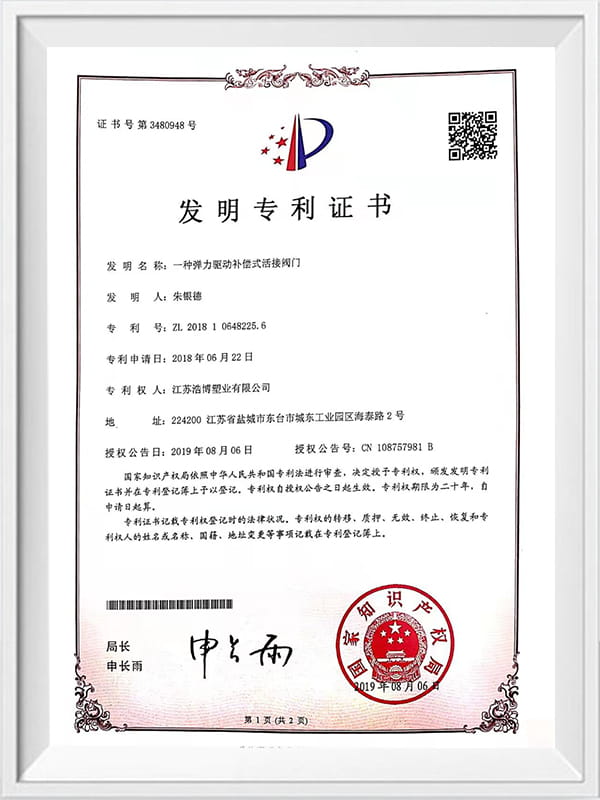
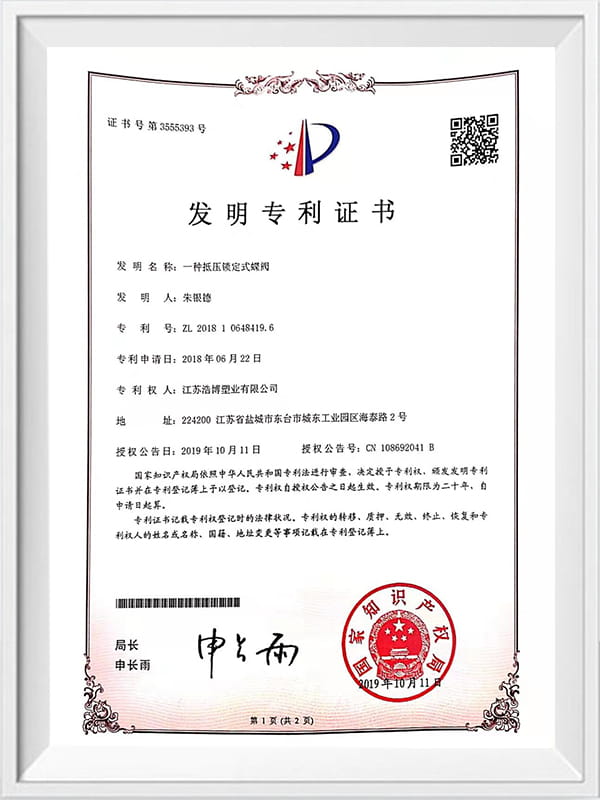
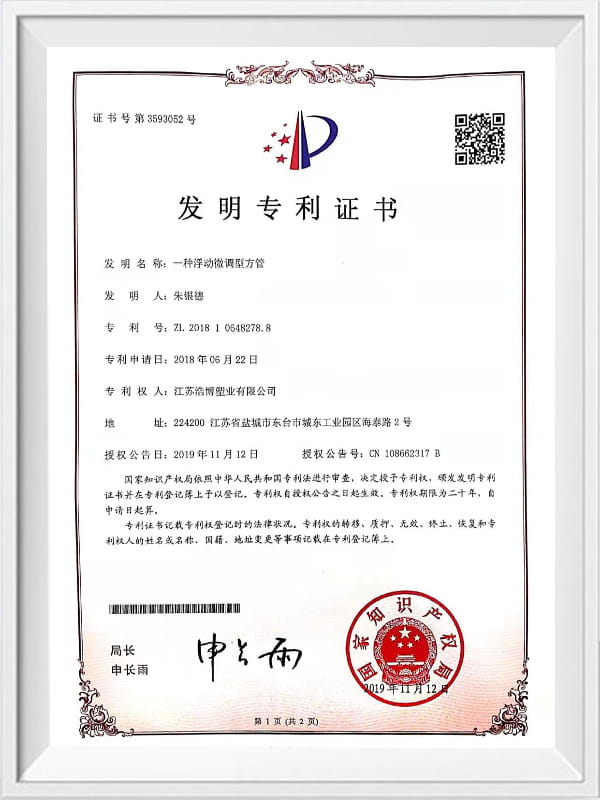
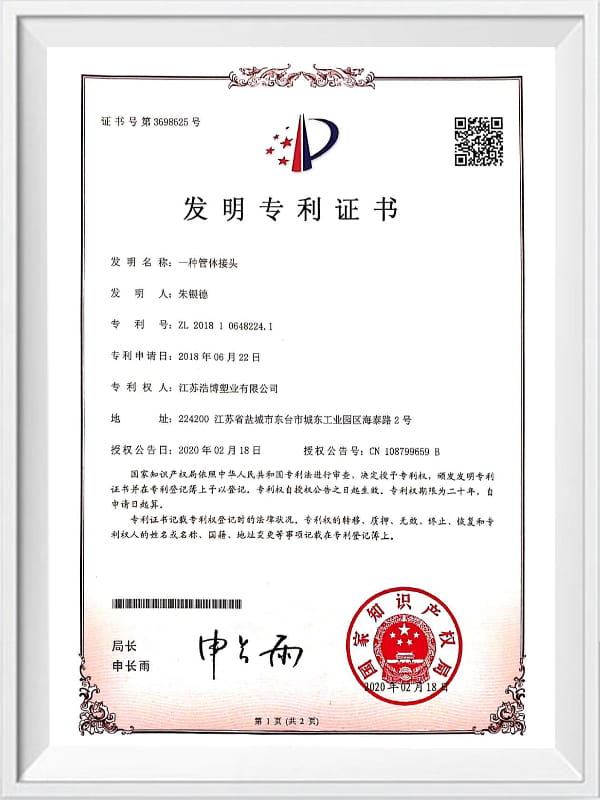
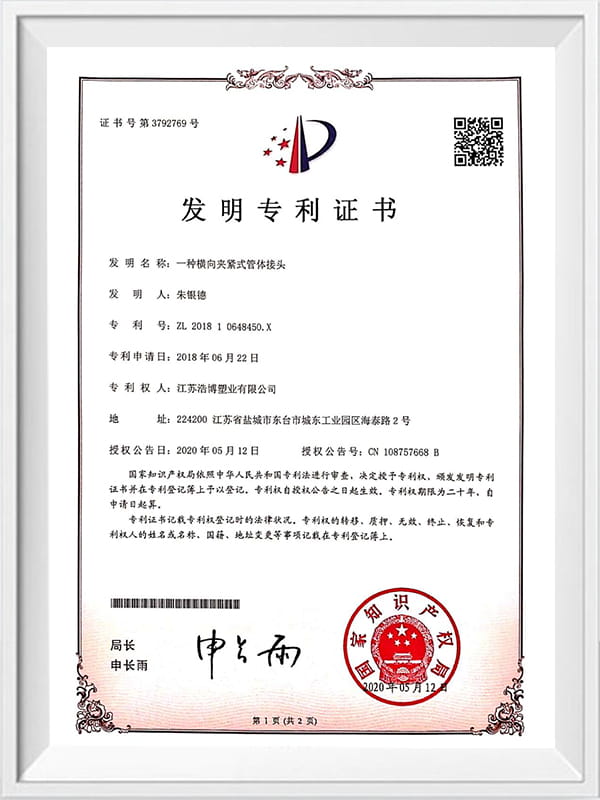
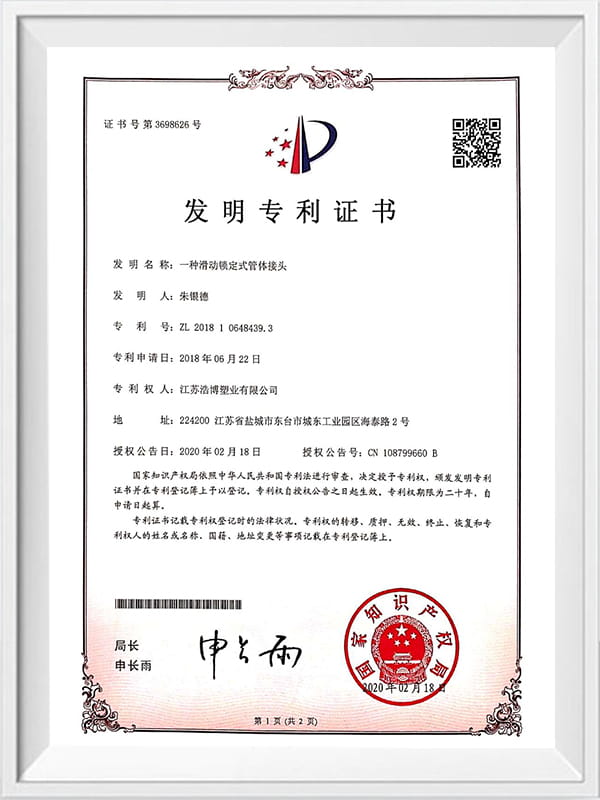
Patent Support: Jiangsu Leiting Precision New Materials Co., Ltd. holds 81 patents (including 36 invention patents), many of which involve high-pressure, high-temperature resistant composite materials and chemically resistant structural designs, serving as strong evidence of technological reliability.
ข้อมูลบริษัท
ที่อยู่: เลขที่ 55 ถนน Haichuan เขตเทคโนโลยีขั้นสูง เมืองตงไถ มณฑลเจียงซู ประเทศจีน
มือถือ: +86 137 7009 5258
โทรศัพท์: +86-515-85479999
อีเมล: [email protected]
เรายินดีรับฟังความคิดเห็นของคุณ!
