ท่อ β-PPH
ข้อมูลจำเพาะของผลิตภัณฑ์: DN15 (D20), DN20 (D25), DN25 (D32), DN32 (D40), DN4...

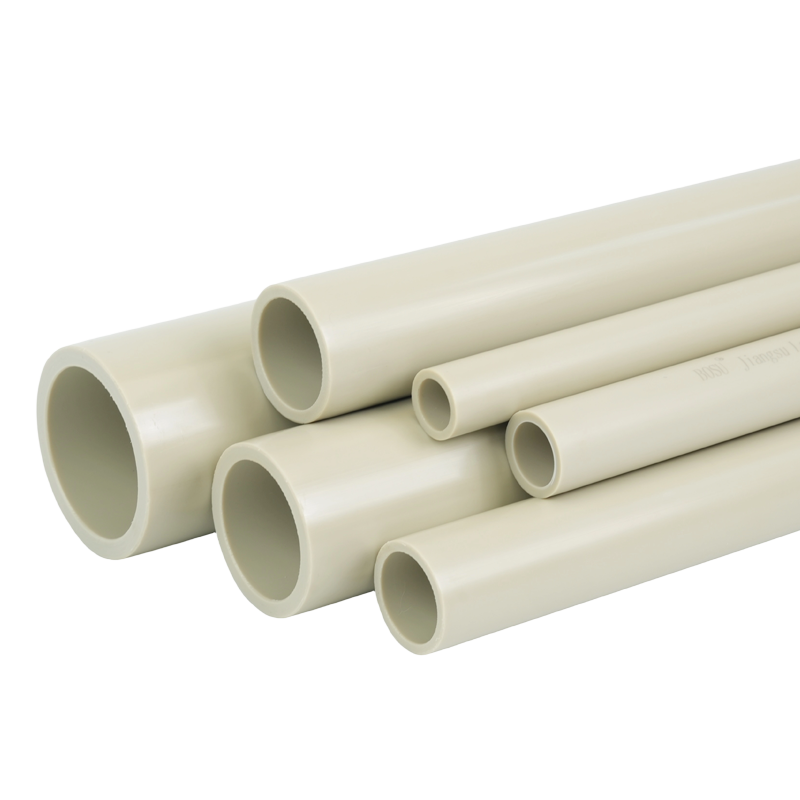
ข้อมูลจำเพาะของผลิตภัณฑ์: DN15 (D20), DN20 (D25), DN25 (D32), DN32 (D40), DN4...
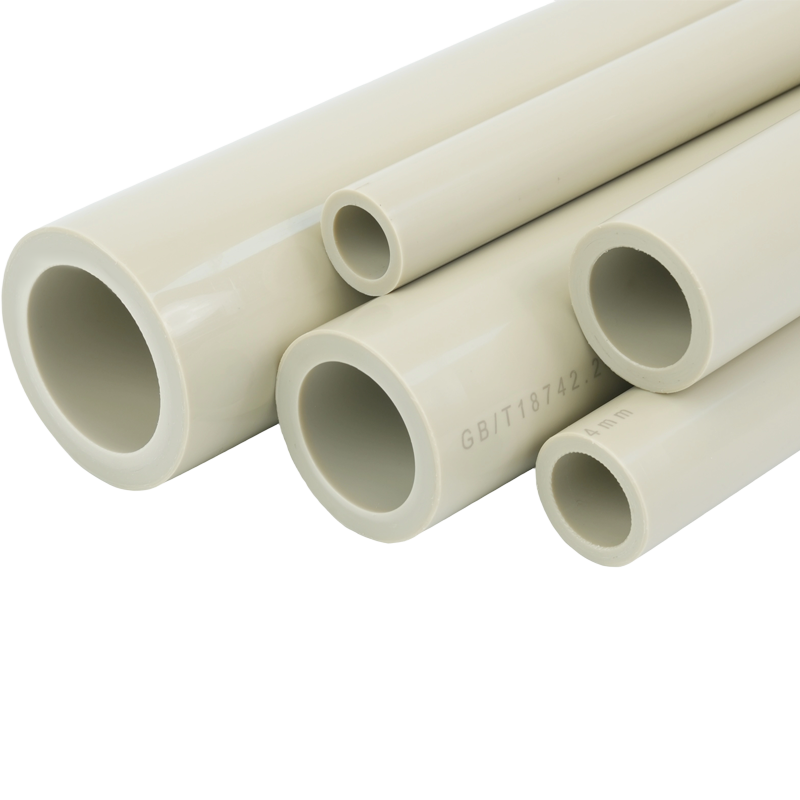
ข้อมูลจำเพาะของผลิตภัณฑ์: DN15 (D20), DN20 (D25), DN25 (D32), DN32 (D40), DN4...
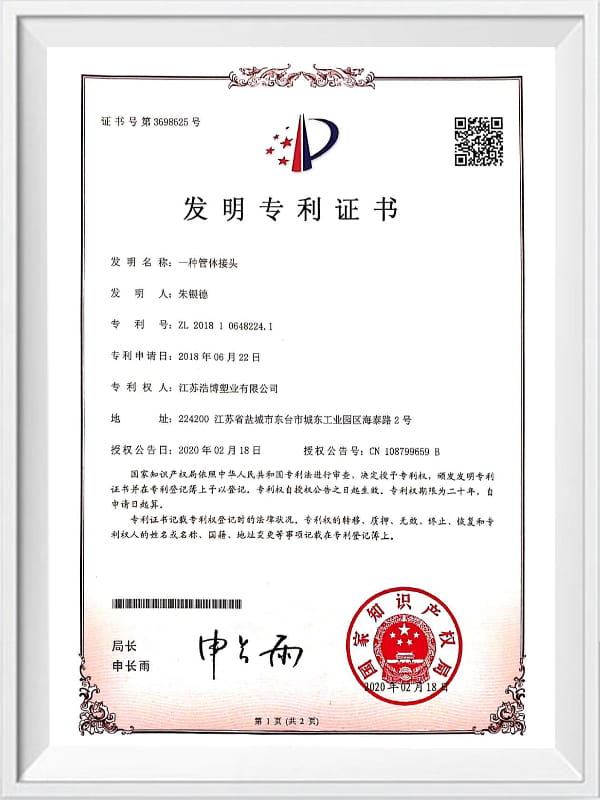
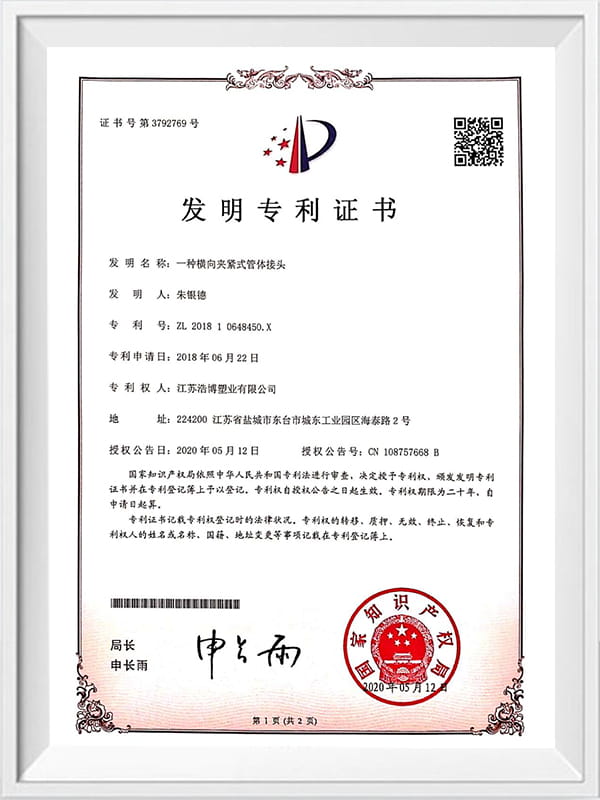
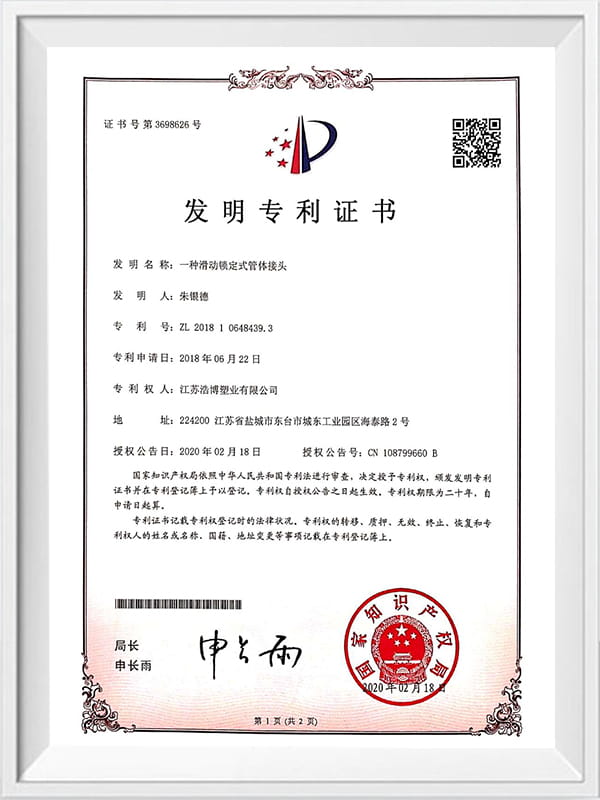
ทีมงานปิดระบบที่โรงงานเคมีมีงานเหลืออยู่หนึ่งงานก่อนรีสตาร์ท: เปลี่ยนปะเก็นที่รั่วบนวาล์วสูง 12 เมตรภายในท่อ PPH ที่เชื่อมเต็ม การตัดท่อหมายถึงแกนม้วนใหม่ การเชื่อมใหม่ การรอความเย็น และการทดสอบแรงดันครั้งที่สอง เพิ่มอีกสี่ชั่วโมงตามกำหนดเวลาโดยไม่มีค่าใช้จ่ายใดๆ การเชื่อมต่อท่อพลาสติกหนึ่งท่อที่ทางเข้าวาล์วจะเปล...
ดูเพิ่มเติมการซื้อบอลวาล์วพลาสติกโดยถามว่า "ขายมั้ย?" คือการที่โปรเจ็กต์ต้องจ่ายเงินสองเท่า สิ่งที่ตัดสินว่าบอลวาล์วพลาสติกทำงานเงียบๆ เป็นเวลาห้าปีหรือล้มเหลวในช่วงแรกนั้น ขึ้นอยู่กับวัสดุของตัวเครื่อง ซีลอีลาสโตเมอร์ และวิธีที่ตัววาล์วเชื่อมต่อกับท่อ ไม่ใช่ราคาต่อหน่วยในใบเสนอราคา คำตอบสั้น ๆ : จับคู่วัสดุก...
ดูเพิ่มเติมช่างประกอบสองคน หนึ่งคอยล์ 2 ตัวในท่อ PVDF และลังใส่อะแดปเตอร์หน้าแปลน DN 50 ทุกอย่างมาถึงตามกำหนดเวลาและไม่มีอะไรพอดี: ท่อมีขนาดเส้นผ่านศูนย์กลางภายนอก 60.3 มม. ในขณะที่อะแดปเตอร์ถูกตัดเฉือนให้มีเส้นผ่านศูนย์กลางภายนอก 50 มม. ไม่มีป้ายกำกับใดผิด ชิ้นส่วนต่างๆ เป็นของระบบขนาดที่แตกต่างกันสองระบบ และ IPS เป็นระบบท...
ดูเพิ่มเติม
ข้อมูลจำเพาะของผลิตภัณฑ์: DN15 (D20), DN20 (D25), DN25 (D32), DN32 (D40), DN4...
ดูเพิ่มเติม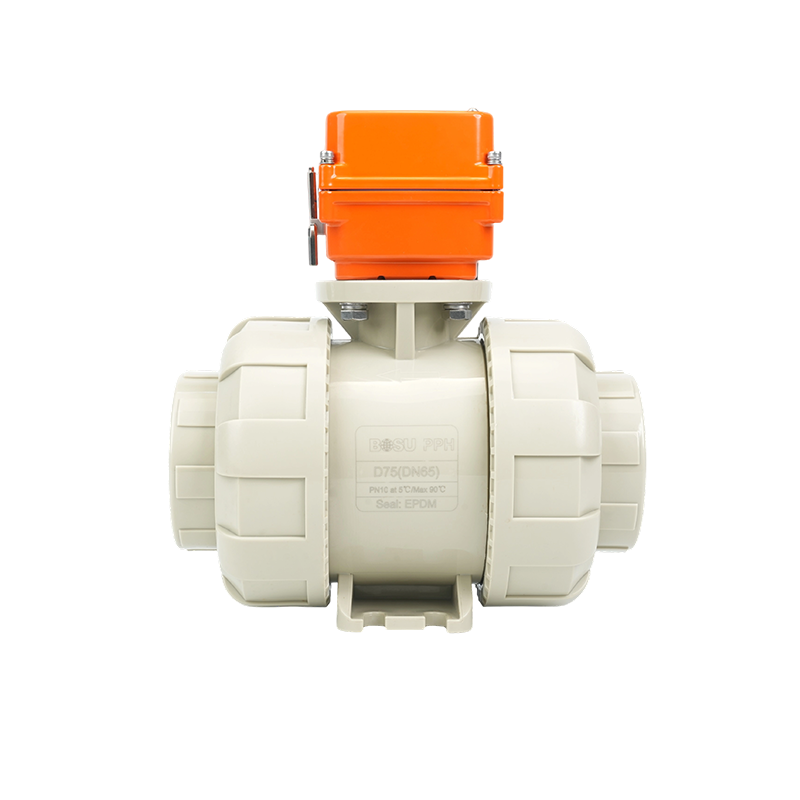
คุณลักษณะของผลิตภัณฑ์: วาล์วนี้ขับเคลื่อนด้วยไฟฟ้าและกระตุ้นโดยแอคชูเอเตอร...
ดูเพิ่มเติม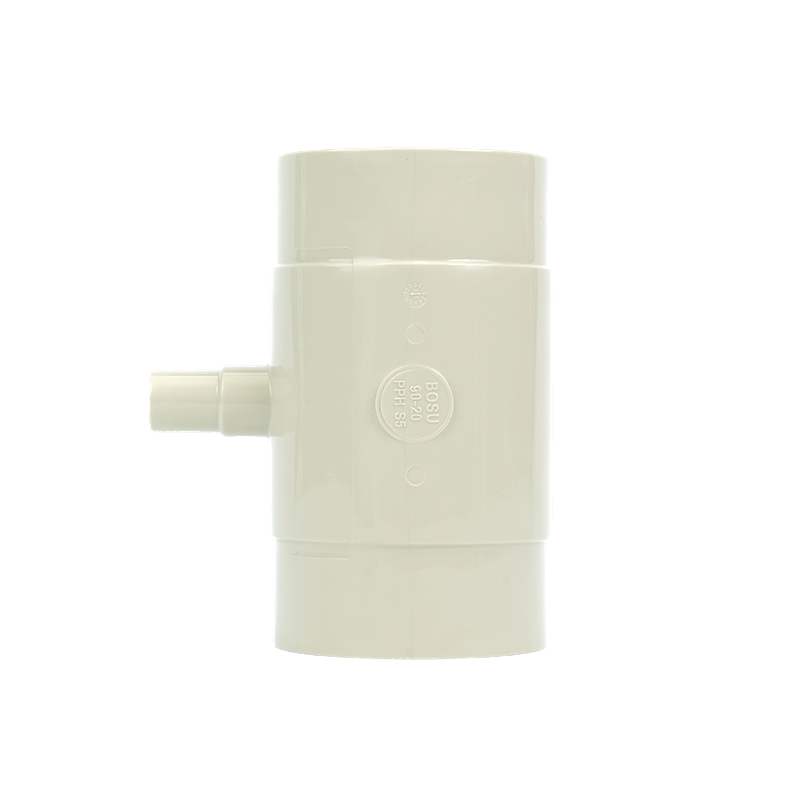
1. ข้อต่อนี้ใช้เพื่อขยายท่อ ในบรรดาพอร์ตทั้งสามพอร์ตนั้น สองพอร์ตมีขนาดเท่ากั...
ดูเพิ่มเติม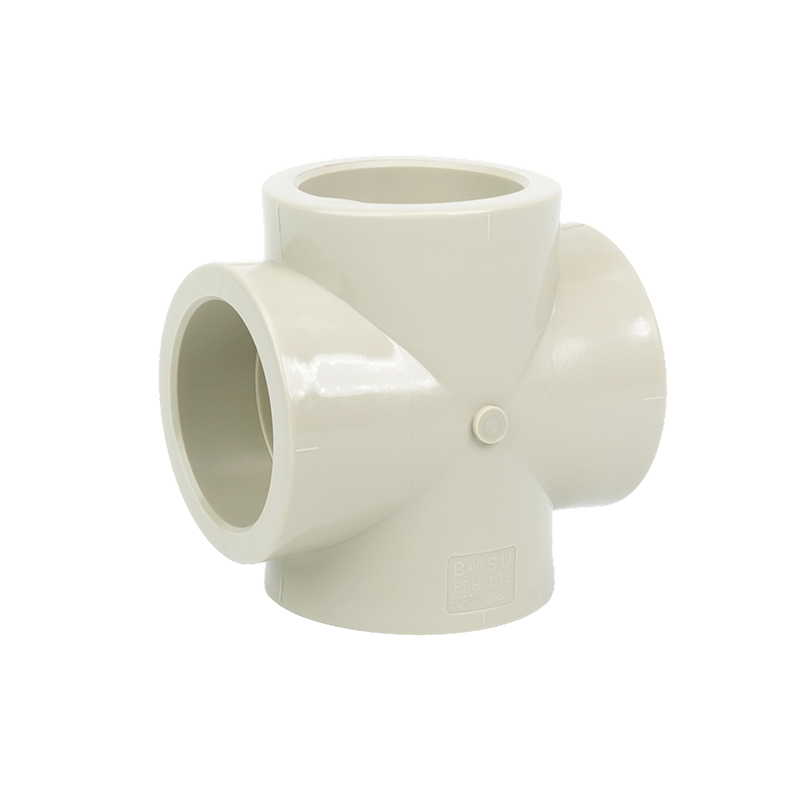
1. ใช้เชื่อมต่อท่อสี่ท่อที่มีเส้นผ่านศูนย์กลางเท่ากันซึ่งตัดกันในแนวตั้งฉาก ...
ดูเพิ่มเติม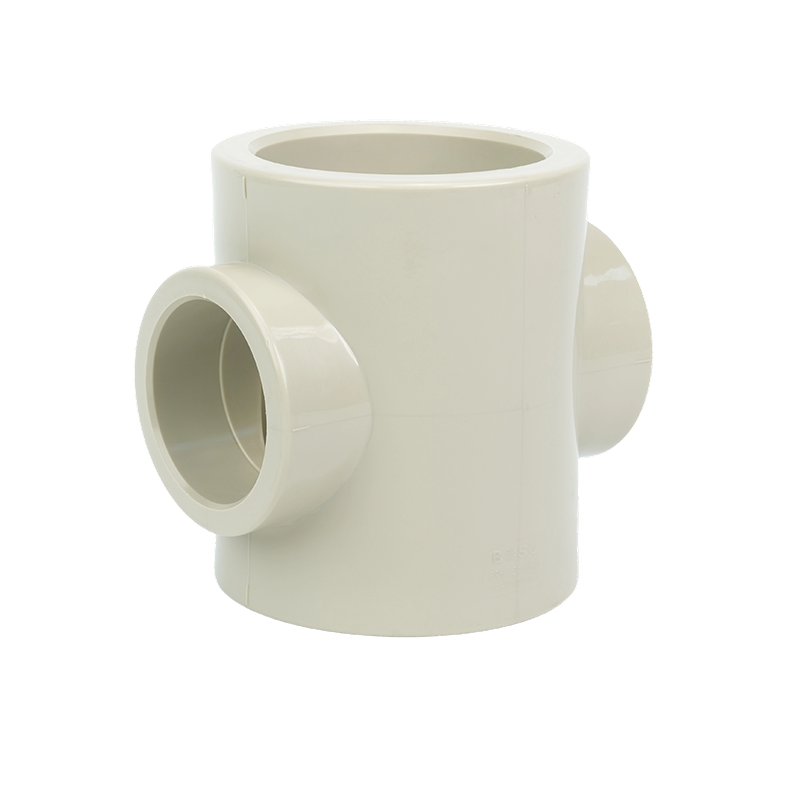
1. ใช้เพื่อเชื่อมต่อท่อสี่ท่อที่มีเส้นผ่านศูนย์กลางต่างกันซึ่งตัดกันในแนวต...
ดูเพิ่มเติม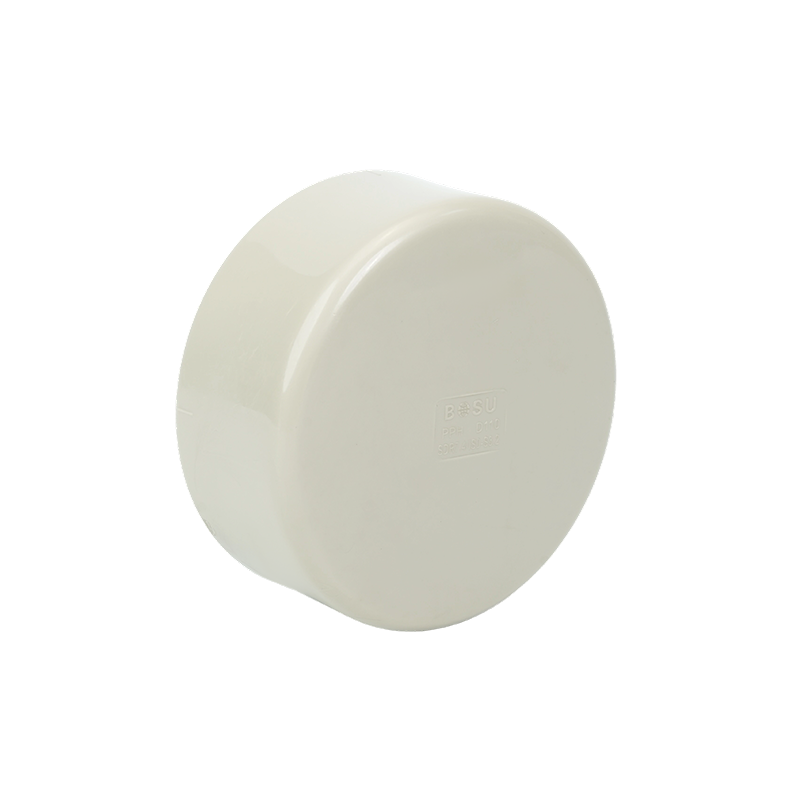
1. ทนทาน ทนต่อการกัดกร่อน น้ำหนักเบา ใช้ซีลท่อ เหมาะสำหรับการใช้งานที่ไม่จำเป...
ดูเพิ่มเติมWhat are the main application scenarios for β-PPH Pipes?
1. Photovoltaic and Semiconductor Ultrapure Water Systems – Suitable for ultrapure water transportation in photovoltaic module cleaning and semiconductor production. It can operate long-term at resistivity above 18 MΩ·cm, preventing metal ion contamination.
2. Chemical and Acid/Alkali Media Transportation – Exhibits excellent corrosion resistance in the transportation of highly corrosive media such as steel pickling, waste acid recovery, concentrated sulfuric acid, and sodium hydroxide, significantly reducing the risk of pitting corrosion.
3. Pharmaceutical and Food Pure Water Piping – Meets food-grade and pharmaceutical-grade hygiene standards. The smooth pipe walls are easy to clean, ensuring the safety and purity of the transported liquids.
4. Environmental Protection and Wastewater Treatment – Used for pipelines transporting wastewater, waste acid, and ecological restoration projects, combining chemical stability with low energy consumption.
5. High-Temperature Hot Water and Geothermal Systems – Operates within a wide temperature range of -20℃ to +110℃, meeting the transportation needs of high-temperature fluids such as hot water and geothermal energy.
How are the recyclability and environmental performance of β-PPH Pipes?
1. Recyclable Material – β-PPH belongs to the polypropylene series. Its production process is energy-efficient, and after use, it can be reprocessed through conventional plastic recycling systems, meeting green building material requirements.
2. Low Emissions During Production and Use – Utilizing the β-modification process, the pipes have low maintenance costs throughout their service life, reducing repair and replacement frequency and thus lowering the overall carbon footprint.
3. Non-toxic and Odorless, Meets Food/Pharmaceutical Safety Standards – The material meets food-grade standards, contains no harmful additives, and does not release harmful substances during use, making it suitable for industries with extremely high hygiene requirements.
4. Advantages in Ecological Restoration – In groundwater and soil pollution remediation projects, β-PPH pipes, due to their chemical inertness and durability, can safely transport remediation media for extended periods, improving remediation efficiency and preventing secondary pollution.
ข้อมูลบริษัท
ที่อยู่: เลขที่ 55 ถนน Haichuan เขตเทคโนโลยีขั้นสูง เมืองตงไถ มณฑลเจียงซู ประเทศจีน
มือถือ: +86 137 7009 5258
โทรศัพท์: +86-515-85479999
อีเมล: [email protected]
เรายินดีรับฟังความคิดเห็นของคุณ!
